Planning & Etiquette
Who Should Pay for Wedding Hair and Makeup?
The bride pays for her own hair and makeup. Bridesmaids traditionally pay for theirs, but many couples now cover it as a gift. Here is how to decide fairly.
By Maureen Ella2 min read
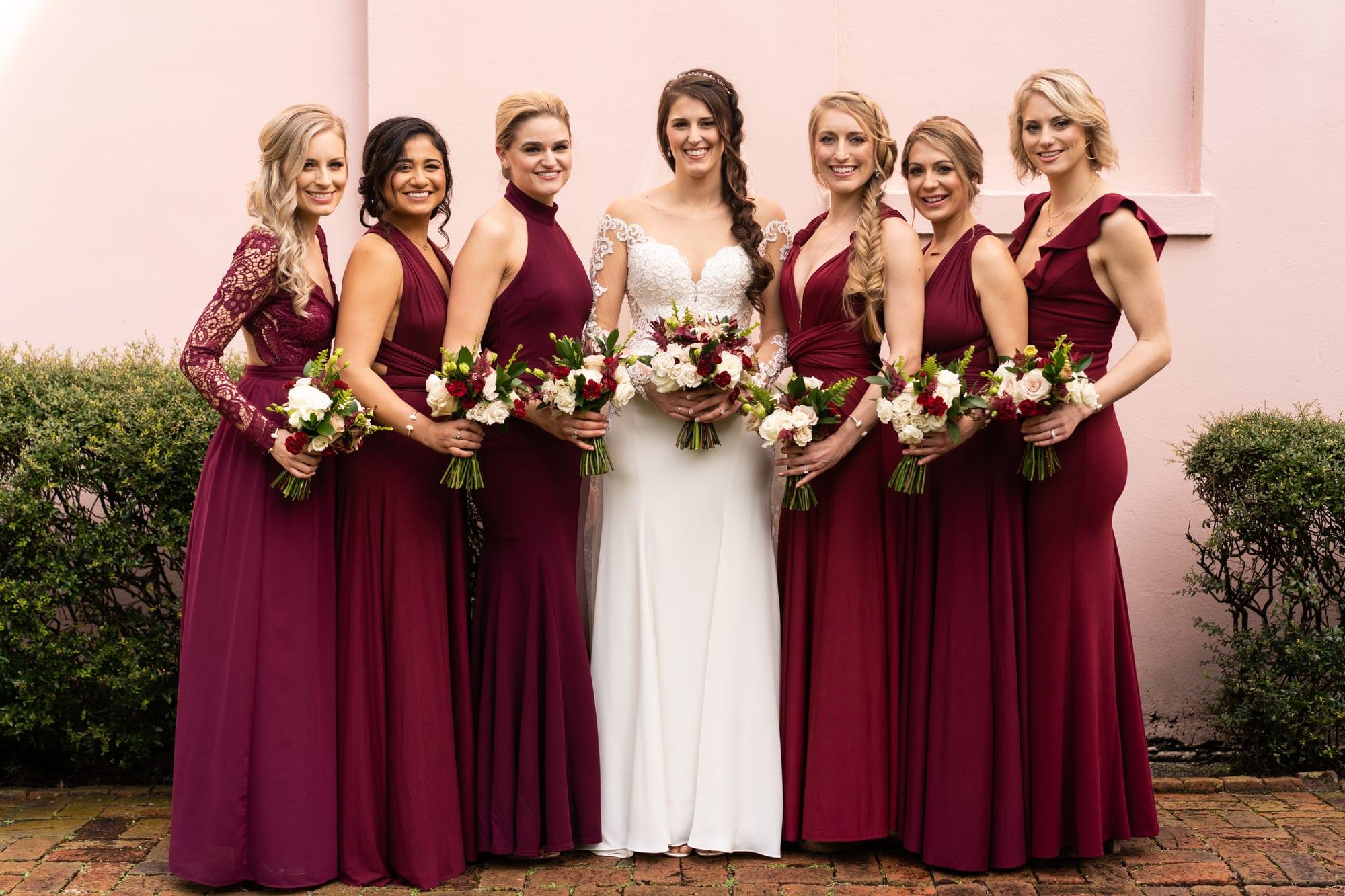
The bride, or whoever is paying for the wedding, covers the bride's hair and makeup. By tradition, bridesmaids pay for their own hair and makeup, along with their attire and travel. Zola's etiquette guide notes that many couples now pay for their wedding party's day-of hair and makeup as a gift. A fair rule of thumb: if you require professional hair and makeup, consider covering it. If it is optional, it is fine for each person to pay for her own. Either way, say so early.
A quick guide to who pays for what
- The bride: the bride or couple, or family as part of the overall wedding budget.
- Bridesmaids and the maid of honor: traditionally themselves, though the couple may cover it as a gift.
- Mothers of the bride and groom: usually themselves, or the couple may cover it as a thank-you.
- Flower girls: usually the couple or the child's parents.
- Other family and guests: typically themselves, if they choose to book services.
If you require professional hair and makeup
Some brides want a cohesive, polished look for the whole wedding party, and that is a reasonable wish. If professional hair and makeup is a requirement rather than an option, consider covering at least part of the cost. Bridesmaids already pay for dresses, travel, and showers. If you cannot cover it, tell them the expected cost as early as possible, ideally before they agree to be in the wedding.
If hair and makeup is optional
When services are optional, let each bridesmaid decide. Some will love being pampered, and others will prefer to do their own makeup or book hair only. Share the artist's information, the cost, and a deadline to opt in, so the final service count and schedule can be set.
How to talk to your bridal party about cost
- Bring it up early, ideally when you ask them to be in the wedding party.
- Put the details in writing: services offered, approximate cost, and who is paying.
- Give a clear deadline to opt in or out.
- Explain how payment works, whether it is one invoice or individual payments.
- Mention gratuity, commonly 15 to 20 percent, so no one is surprised.
How payment works on the wedding day
If you are paying for your bridesmaids, Zola recommends paying the hair and makeup artists directly rather than reimbursing each person. If bridesmaids are paying for themselves, ask your artist how individual payments are handled. Most bridal artists work from a single agreement with the bride, so confirm the process before the wedding morning.
Budget-friendly middle grounds
- Cover hair for everyone and let bridesmaids pay for makeup, or the reverse.
- Cover the maid of honor and let others opt in at their own cost.
- Make hair and makeup your bridesmaid gift instead of a separate present.
- Cover the services and let bridesmaids handle their own gratuity, and say so clearly.
However you divide the cost, an accurate service count keeps the morning on schedule. Maureen Ella provides on-location hair and makeup for brides, bridal parties, and mothers in St. Augustine, Jacksonville, Palm Coast, and across Northeast Florida. Share your estimated count when you request availability.
Sources
- Zola, Who Should Pay for the Wedding? (updated September 10, 2025).
- Zola, Who Pays for Bridesmaid Hair and Makeup? (updated February 5, 2024).
- Emily Post Institute, Wedding Attendants (accessed November 2026).
Frequently asked questions
Do bridesmaids pay for their own hair and makeup?
Traditionally, yes, along with their attire and travel. Many couples now cover bridesmaids' hair and makeup as a gift, especially when it is required. Make the plan clear early.
Should the bride pay for bridesmaids' hair and makeup?
She does not have to, but it is a generous gesture, and it is especially considerate if professional hair and makeup is required. If you are not covering it, share the cost early.
Who pays for the mother of the bride's hair and makeup?
Usually the mother of the bride pays for her own, though some couples cover it as a thank-you. She should tell the bride early so she is included in the service count.
Can I require my bridesmaids to get professional hair and makeup?
You can ask, but be thoughtful. If it is required, consider covering some or all of the cost, and let bridesmaids know before they commit to being in the wedding.