Beauty Favorites
What Is the Best Foundation for a Wedding Day?
The best wedding foundation is long-wearing, matched in natural light, suited to your skin type, and tested with flash. Here is how to choose one that lasts.
By Maureen Ella3 min read
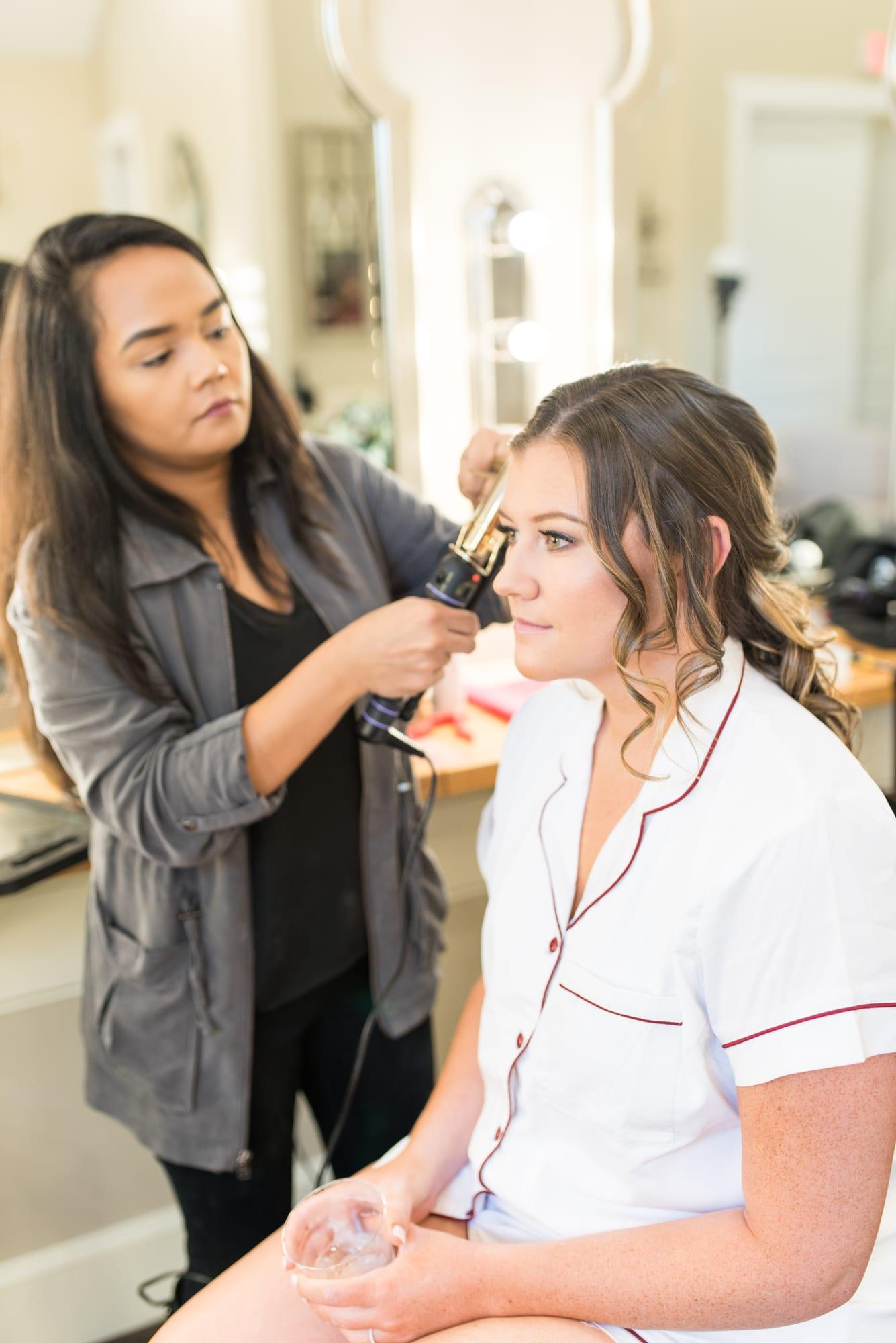
No single foundation is best for every bride. The best wedding foundation is a long-wearing formula that matches your skin in natural light and suits your skin type. It should look good in photos with and without flash, and you should test it before the wedding. For most brides, that means a buildable, transfer-resistant foundation with a natural or soft-satin finish, applied in thin layers over well-prepped skin.
What to look for in a wedding-day foundation
- Long wear: the formula should hold through a day that may last twelve hours or more.
- Transfer resistance: less of it ends up on your dress, your partner's jacket, and everyone you hug.
- Buildable coverage: sheer enough to look like skin, with room to add coverage only where you need it.
- A natural or satin finish: very matte can look flat in photos, and very dewy can read as shine.
- The right shade and undertone: match it to your jaw, neck, and chest in daylight, not under store lighting.
- No oxidation surprises: some formulas darken after they set, so check the color after an hour.
- Comfort: if it feels heavy or tight at 10 a.m., it will feel worse at 9 p.m.
Choosing foundation by skin type
Oily skin usually does best with an oil-controlling primer, a long-wear foundation, and powder pressed only where shine appears. Dry skin needs hydration first, then a more flexible formula that will not cling to dry patches. Combination skin often benefits from different prep on different zones. Mature skin tends to look best with thinner layers, less powder, and a soft luminous finish that does not settle into lines. If your skin is sensitive or reactive, tell your artist and test everything ahead of time.
Airbrush or traditional foundation?
Airbrush foundation is sprayed on in fine, thin layers. Traditional foundation is applied with brushes or sponges. Both can look beautiful and last all day. Airbrush is an application method, not a guarantee of longer wear, and traditional formulas vary widely. The better question is which formula, finish, and technique suit your skin, the coverage you want, and the conditions of your day. Your preview is the place to see how the recommended approach looks and feels on you.
Will SPF foundation cause flashback in photos?
Flashback is the white or ashy cast that can appear in flash photography. It is most often linked to certain finishing powders and some products with highly reflective mineral ingredients. Not every SPF product causes it. Testing beats any blanket rule: take a photo with your phone's flash at your preview, and look at it before you leave. If you will be outdoors for hours, apply sunscreen as part of your skincare and let your artist build makeup that works over it.
Why the artist's choice matters more than the brand
Professional artists rarely use a single foundation straight from the bottle. They may mix shades to match your undertone exactly, use a different formula on an oily forehead than on a dry cheek, and add coverage only where it is needed. The result looks like you on a very good day. When you book a professional, share what you like and dislike about foundation rather than bringing a specific product, unless you have a known sensitivity.
If you are doing your own wedding makeup
- Buy your foundation weeks ahead, not the week of the wedding.
- Wear-test it for a full day, including a warm afternoon, before you commit.
- Check the shade in daylight and photograph it with and without flash.
- Use a primer suited to your skin type and set only where you tend to get shiny.
- Apply thin layers. Two light layers wear better than one heavy one.
- Carry blotting papers and press, not wipe, when you touch up.
Foundation in Florida heat and humidity
For outdoor and coastal weddings in Northeast Florida, preparation matters as much as the product. Calm, hydrated skin, compatible primers, thin layers, and targeted setting usually outlast a heavy base. Limit unnecessary time in direct sun before portraits and keep a small touch-up kit with a trusted person. Thoughtful prep keeps your skin looking fresh well into the reception.
Your preview is where your foundation, finish, and coverage get decided, so you are not guessing on the wedding morning. If you are planning a wedding in St. Augustine, Jacksonville, Palm Coast, or nearby, request availability with Maureen Ella and we will plan a complexion that looks like your skin, only more polished.
Frequently asked questions
Should I wear SPF foundation on my wedding day?
Sun protection matters, especially outdoors. SPF does not have to come from your foundation. Many artists prefer sunscreen as a skincare step under makeup. Whatever you use, test it with a flash photo before the wedding to check for flashback.
Is airbrush foundation better for a wedding?
Not automatically. Airbrush is an application method that creates thin, even layers, and traditional foundation can wear just as well. The right choice depends on your skin, the coverage you want, and how the look performs at your preview.
How do I keep foundation from looking cakey in photos?
Start with hydrated, well-prepped skin, apply thin layers, add coverage only where needed, and use powder strategically rather than all over. Blot before adding more powder during touch-ups.
What foundation finish is best for wedding photos?
A natural or soft-satin finish tends to photograph most like real skin. Very matte finishes can look flat, while very dewy finishes can read as shine under flash or strong sun.